
Sickle Cell Disease (SCD) is a debilitating genetic disorder that affects millions globally, particularly those of African, Mediterranean, Middle Eastern, and South Asian descent. It is characterized by a mutation in the hemoglobin protein, causing red blood cells (RBCs) to adopt a rigid, crescent—or sickle—shape. These misshapen cells block blood flow, leading to chronic pain crises, severe organ damage, and reduced life expectancy.
While traditional treatments focus on managing pain and complications, Hematopoietic Stem Cell Transplantation (HSCT), commonly known as a bone marrow transplant, offers the only currently established curative option for SCD. This procedure replaces the patient’s faulty blood-producing system with a healthy one.
Understanding the Root Cause and the Solution
The Core Problem
Sickle cell symptoms arise because the patient’s bone marrow—the spongy tissue inside the bones—continuously produces defective, sickle-shaped red blood cells. These cells break down prematurely and block capillaries, causing tissue ischemia (lack of oxygen) and the hallmarks of the disease, such as vaso-occlusive crises (pain episodes).
The Curative Mechanism
A bone marrow transplant is essentially a blood factory swap. The goal is to replace the faulty stem cells in the patient’s bone marrow with healthy stem cells from a donor.
Conditioning: The patient first undergoes a process called “conditioning,” which uses chemotherapy (and sometimes radiation) to eliminate their existing, sickled bone marrow cells.
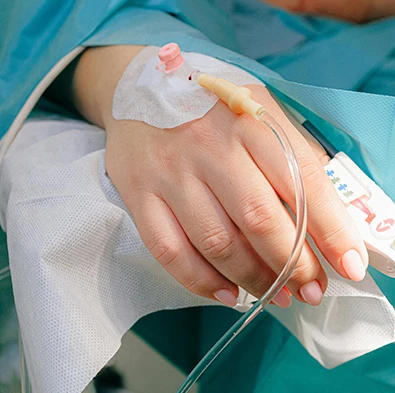
Infusion: Healthy stem cells, typically collected from a donor’s blood or bone marrow, are then infused intravenously into the patient.
Engraftment: The healthy stem cells travel to the bone marrow space, take root, and begin producing non-sickling, functional red blood cells.
2. Pain radiates to the buttocks and legs
If the transplant is successful, the patient’s body switches its blood production from sickle-celled to healthy, leading to a permanent reversal of the disease.
If the transplant is successful, the patient’s body switches its blood production from sickle-celled to healthy, leading to a permanent reversal of the disease.
Heather Smith – Quote
While HSCT is curative, it is a complex and intense procedure, making patient and donor selection critical.
Eligibility and Donor Matching
1. Donor Source: The Key to Success
The ideal scenario involves finding a Human Leukocyte Antigen (HLA)-matched donor. HLA markers are proteins used by the immune system to recognize what belongs in the body.
- Matched Sibling Donor: The best possible outcome is achieved with a fully HLA-matched sibling. Success rates (cure rates) for these matched sibling transplants can exceed 90%.
- Alternative Donors: For patients without a matched sibling, alternative sources such as matched unrelated donors (from national registries) or haploidentical (half-matched) family donors are increasingly viable, though they may carry slightly higher risks.
2. Patient Eligibility
Transplant candidates are typically children or young adults with severe forms of SCD who have a high risk of life-threatening complications (such as recurrent acute chest syndrome or stroke). The procedure is most successful in younger patients who have not yet suffered extensive organ damage from years of the disease.

Risks and Considerations
It is important to understand that a bone marrow transplant is not without significant risk.
- Graft-versus-Host Disease (GvHD): This is the most serious complication. It occurs when the new, healthy donor cells recognize the patient’s body tissues as foreign and attack them. GvHD can range from mild to life-threatening.
- Infection: During the conditioning phase, the patient’s immune system is suppressed, making them extremely vulnerable to infection.
- Fertility: The chemotherapy used during conditioning can affect fertility, a factor that requires careful consultation before the procedure.
The Future: Gene Therapy
While HSCT is the established cure, exciting new advancements in gene therapy offer another potential route. These therapies aim to fix the defective gene within the patient’s own stem cells, eliminating the need for a donor and the risk of GvHD. While still highly specialized, these emerging treatments represent the accelerating future of curative care for SCD.
For patients and families navigating the complexities of Sickle Cell Disease, consulting with a specialist in hematology and transplantation is essential to determine if HSCT is the right, life-changing path forward.